

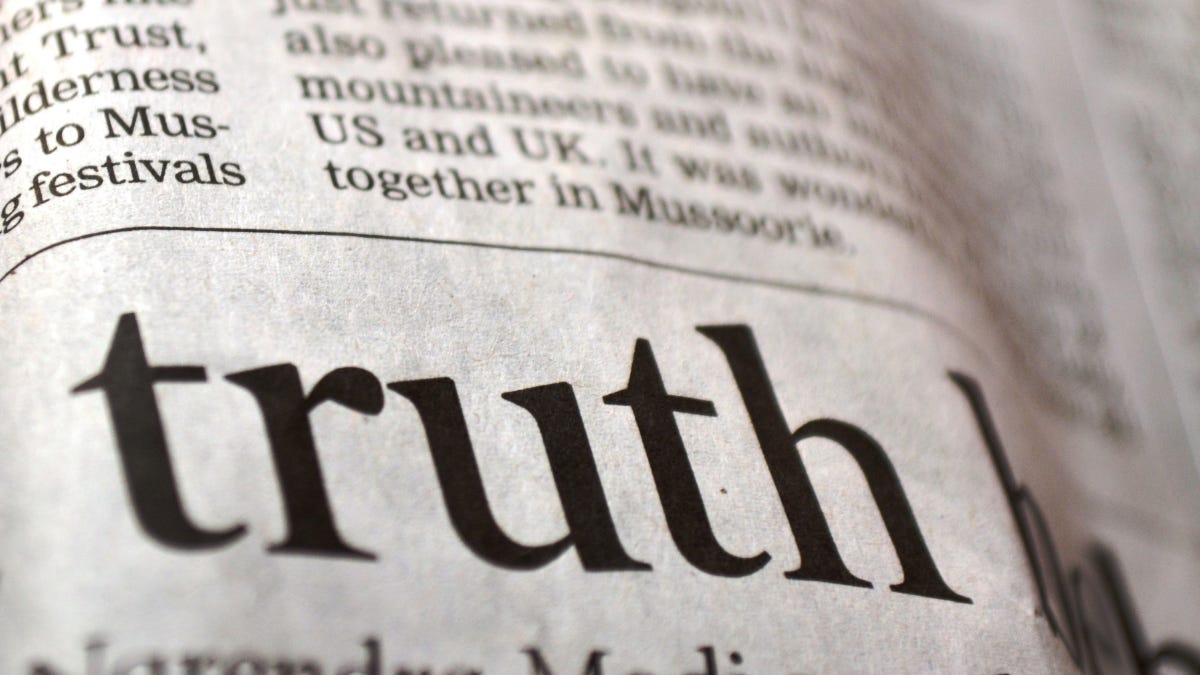
What does it mean to lose one’s voice—to lose the outward expression of the soul? We tend to think of speech primarily as an instrument, or a tool of persuasion, but it is more than that.
Turn to the modern English people, who ceded the defense of speech in favor of protecting people who might be offended. This is an easy topic to shrug off, especially when it is not directly affecting us, because allowable speech seems like a broad political issue. Yet, I posit that it is not.
Speech is chiefly and principally an issue of personal and practical worship. By “worship,” I mean here an act of justice to the transcendent value of the truth. Communication is an act of worship insofar as it is an expression of what is true. Whenever we speak, we declare. We proclaim a truth. In a fundamental sense, that speaking of truth into the world is an individual act of natural worship. We give voice to something outside of ourselves—greater than ourselves. It is an attestation of loyalty to something higher than the society that demands only comfortable lies.
If I declare that the sky is blue and all of society says it is green, I am engaging in right worship and they are not. Their offense to that truth is immaterial to the fact that my speech is just and is a proper use of my faculties.
“The natural habitat of truth is found in interpersonal communication. Truth lives in dialogue, in discussion, in conversation — it resides, therefore, in language, in the word. Consequently, the well-ordered human existence, including especially its social dimension, is essentially based on the well-ordered language employed.”
— Josef Pieper
So it is not merely that I lose the ability to discourse with my neighbor if speech restrictions prevent my speaking truthfully, it’s that because I cannot dialogue with him, we cannot together work to sustain a neighborhood, a community, or a society. Thus, the rapidity of the decline of the British social structure necessarily accelerated after speech laws decrying “hatred” and “offense.”
Too often, we think of dialogue as existing for its own sake, as a “right” without any corresponding duty, as if our want to express is enough to necessitate our legal protection for doing so. But such arguments are foundationally egocentric, so they fail upon serious examination.
Instead, we ought to conceive of our ability to speak as an imposed duty. This articulation, which casts us as unique compared to mere animal, is not merely the stating of our individualistic preferences, but the mandate from above to recognize truths, act on the basis of them, and order our societies thereby.
If we bury the truth behind a distorted value of niceness, we build without foundation. Moreover, we gag the man who might tell us of the sand beneath our feet. So we keep building and our institutions keep toppling, and the people who ought to be guiding and leading us are kept silent. In a perversion of what is just, they may even face penalty and incarceration for warning us of our errors.
This explains so much of why modern Europe is failing to build (or even sustain). Europe does not recognize the fundamental duty of man that is being stifled. It recognizes only the technocratic society that it can build at his expense. Each person becomes merely a stepping stone under a banner of acclaimed “progress” — but even that claim is a lie that few can speak boldly enough to correct. Movement is not progress if the direction is not positive.
Losing one’s voice stifles our natural being in the world, muting not just the literal speech, but negating the would-be speaker’s existence in a measurable manner. If an architect watches you build a house, but does so while gagged, do you have an architect watching over you? Literally yes, but practically no. His existence has been reduced to naught. He cannot warn you of your errors, and he may rapidly lose the desire to, in any event, instead relishing in the knowledge of your weak foundation. So too with the silenced men of the West.
The greater society should care about the part (the individual) firstly because that man is a piece of it, but also because the individual’s acts of duty are goods that we should want realized. In silencing him, we prevent his acts of right worship.
If man is not free to do the good, then society itself is opposed to human flourishing, so its potential end and its means are evil. In this scenario, it is ordered counter to what man is made to be. So when the devil’s bargain is made to silence some honest men because we do not want to hear particular truths, we must necessarily accept the fact that those truths were pillars, even if we cannot see what they were holding up. We will just have to wait and see what crumbles.
If you're wondering about the timing of an article about loss of speech coinciding with another about how I'm going to be unable to speak for two weeks.... it just happened that way. I can't control my brain.
Very well stated. Thank you for writing this article. I will share it. BTW, June 28th, 12:30 p.m. TLM offered for your future procedure.